Transportation & Logistics

Guidance for commercial trucking coverage.

Motor carrier insurance involves detailed filings, driver guidelines, and route considerations. We help Maryland owner-operators and fleet owners organize their profile and evaluate carrier options.

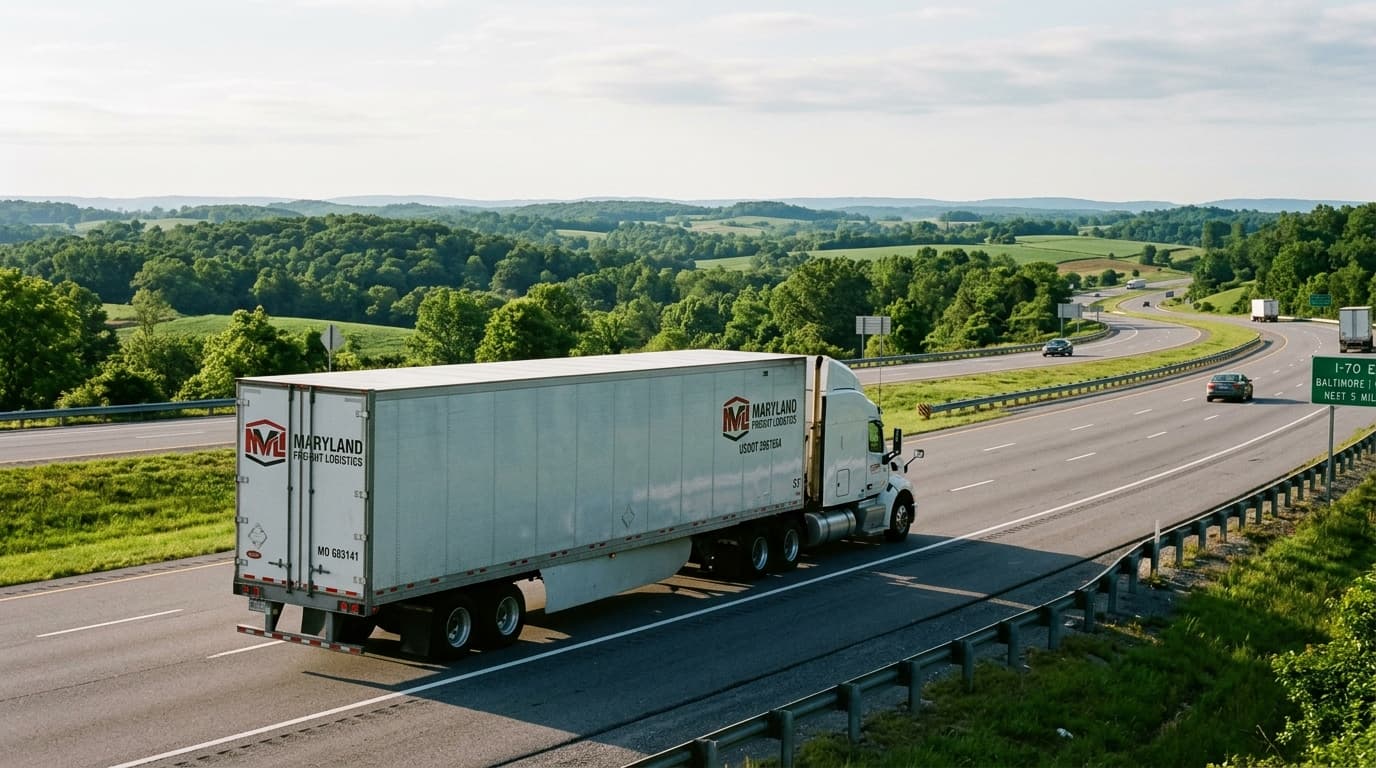
Commercial freight motor carrier transit along the Maryland I-70 highway corridor representing commercial trucking insurance

Coverage Scope

Essential motor carrier coverage lines.

Trucking policies combine highway liability, equipment protection, and cargo safeguards. Review how each policy component functions.

Commercial Auto Liability

Responds to covered third-party bodily injury or property damage claims arising from the operation of scheduled commercial power units. Helps satisfy Maryland and federal FMCSA filing requirements.

Motor Truck Cargo Insurance

Protects eligible freight and cargo against loss, damage, theft, or collision while in transit or at terminals, subject to policy causes of loss, commodities, deductibles, and exclusions.

Commercial Physical Damage

Provides collision and comprehensive protection for tractors, straight trucks, and trailers against collision, overturn, fire, theft, hail, and vandalism based on stated values.

Motor Truck General Liability

Addresses commercial liability exposures occurring off the road, including incidents on shipper/receiver premises, loading dock mishaps, and contractual exposures.

Non-Trucking Liability & Bobtail

Applies to qualifying non-business or personal use of a power unit when operating without an attached trailer or off dispatch. Not a substitute for primary auto liability.

Trailer Interchange Coverage

Covers physical damage to non-owned interchange trailers in your possession under a written interchange agreement with logistics partners or shipping lines.

Workers’ Comp & Occupational Accident

Medical and disability coverage options tailored to driver classifications (W-2 employees or 1099 independent contractor owner-operators).

Excess & Umbrella Liability

Provides supplemental liability limits above primary commercial auto liability and general liability policies to satisfy broker or shipper contract terms.

Preparation

Information needed for a trucking submission.

Trucking underwriting is data-intensive. Having these operational records prepared helps our team evaluate available markets efficiently.

Operating Authority & Business Details

Legal entity name, active USDOT number, MC docket number, and years in commercial operation.

Operating Profile & Radius

Operating radius (local under 100 miles, regional, or long-haul 48 states), primary freight corridors, and garaging locations.

Equipment Schedule

Year, make, VIN, vehicle type (sleeper, day cab, box truck, flatbed, reefer), and stated equipment replacement values.

Commodities Hauled

Description of typical freight (general dry freight, building materials, refrigerated goods, or specialized cargo).

Driver Roster & Qualifications

Driver names, CDL license numbers, dates of birth, commercial driving experience, and recent MVR records.

Loss History (Loss Runs)

Three to five years of formally documented insurance company loss runs for liability and cargo, if currently insured.

Motor Carrier Questions Answered

Commercial trucking underwriting questions.

When is commercial trucking insurance coverage actually effective?

Trucking coverage is legally effective only after the underwriting insurance company accepts the completed application, issues a formal policy binder, and transmits necessary state or federal (FMCSA BMC-91X / Form E) regulatory filings.

Submitting details online or receiving an informal rate estimate does not bind insurance. Coverage cannot be backdated.

Certificates of insurance (COIs) required by freight brokers or shippers are issued only after policy confirmation is bound with the insurer.

What is the difference between primary auto liability and bobtail insurance?

Primary auto liability is legally required to operate commercial vehicles on public highways and responds to bodily injury or property damage claims while hauling freight under dispatch. Bobtail (non-trucking liability) only covers a power unit when operated for personal non-business purposes without an attached trailer.

Bobtail does not cover a truck operating under motor carrier dispatch, carrying cargo, or traveling to pick up a load.

Freight brokers and motor carrier authorities require primary commercial auto liability—typically at limits of $750,000 or $1,000,000.

Maryland Independent Agency

Operating a commercial truck or fleet?

Request a commercial trucking review to explore options aligned with your routes, power units, and cargo classifications.